AI MODEL OVERUSED SYNTAX
24 March 2025
By Anisa Pinatih
We’ve talked about ChatGPT’s love affair with “delve into” and “leverage” in our last post. See:
Overused words and phrases by ChatGPT
But even when you swap those overused words, AI text can still feel off. Why?
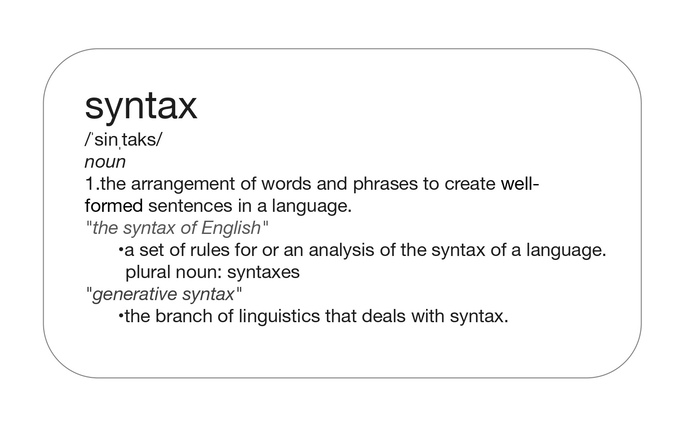
Syntax. Or as we like to call it: the secret sauce of sentence structure.
AI models don’t think; they predict. That means they often rely on the same clunky, overly formal, or repetitive ways of building sentences. Here’s ONE overused syntax produced by an AI model:
“By [something], future research will provide a more holistic view of [something], ultimately improving [something].”
Example:
“By addressing market inefficiencies, future research will offer a more comprehensive understanding of economic growth in an increasingly globalized and dynamic financial landscape, ultimately improving policy effectiveness and financial stability worldwide.”
It’s grammatically flawless, but when every other paper uses this exact formula, it starts sounding less like scholarly writing and more like AI Mad Libs.”
Here are some sentences with the same structure but in a more casual, everyday context:
"By waking up earlier, I will have more time to enjoy my morning coffee, ultimately starting my day in a more relaxed mood."
"By exercising regularly, I will feel more energetic, ultimately improving my overall health."
"By turning off notifications, I can focus better on my work, ultimately finishing my tasks more efficiently."
See the pattern? It’s basically: "By X, Y will happen, ultimately Z-ing..."
Okay, so what’s the solution? Rewriting to maintain the original message but in a fresher, more natural way. Below are examples of how to achieve this while steering clear of clichés.
Option 1: Flip the cause-effect
AI version: “By analyzing these datasets, this study will clarify migration trends, ultimately informing policy reforms.”
Human edit: “This study analyzes datasets to clarify migration trends—findings that could directly inform policy reforms.
Option 2: Ditch the participle (verb-ing) for action
AI version: “By testing these methods, we will improve accuracy, ultimately advancing clinical diagnostics.”
Human edit: “Our method tests improve accuracy, a potential leap forward for clinical diagnostics.”
Option 3: Be specific about the “how”
AI version: “By filling these gaps, future work will offer a more holistic view of AI ethics, ultimately ensuring responsible innovation.”
Human edit: “Future work could bridge [specific gaps X and Y], moving AI ethics from theory to measurable responsible practices.”
AI defaults to this syntax because it’s grammatically safe, but great writing isn’t just about avoiding mistakes; it’s about maximizing impact.
The best academic writing doesn’t just sound correct; it compels, surprises, and sticks. So next time you spot this AI hallmark in your draft:
Pause: Does this structure add clarity or just familiarity? Try flipping, shortening, or specifying. A single bold, clear sentence often outweighs three "safe" ones.
Need a second set of eyes to help your research writing break the mold? We specialize in polishing academic drafts to sound like you, not ChatGPT.

